Key Takeaways
- A heating and cooling system is made up of connected parts, and understanding each one helps you spot trouble before it becomes expensive
- Dirty air filters are the single biggest cause of preventable breakdowns and should be swapped on a regular schedule
- Odd smells, weak airflow, strange noises, and rising energy bills are early warning signs worth investigating immediately
- Capacitors, thermostats, and refrigerant levels are among the most frequent culprits behind sudden cooling failures
- A yearly professional tune-up catches hidden issues like leaking ducts, worn electrical connections, and low refrigerant
- Simple homeowner habits like clearing debris around the outdoor unit and keeping vents unblocked extend equipment life
- Knowing when to call a technician versus handling something yourself saves money and prevents dangerous mistakes
If you have never thought much about the big metal box outside your house or the humming unit in your basement, you are not alone. Most people only notice their heating and cooling system when something goes wrong. Then suddenly they are sweating through a July afternoon or shivering in January, wondering who to call and what just happened.
The good news is that you do not need to be a technician to understand the basics. A little knowledge goes a long way toward keeping your home comfortable, your bills reasonable, and your equipment running for its full lifespan. Most systems are built to last fifteen to twenty years, but only if they get a bit of attention along the way.
This guide walks you through how the system works, what tends to break, and what you can do about it. Think of it as a friendly crash course for homeowners who want to feel less helpless the next time something starts acting up.
How the Whole System Fits Together
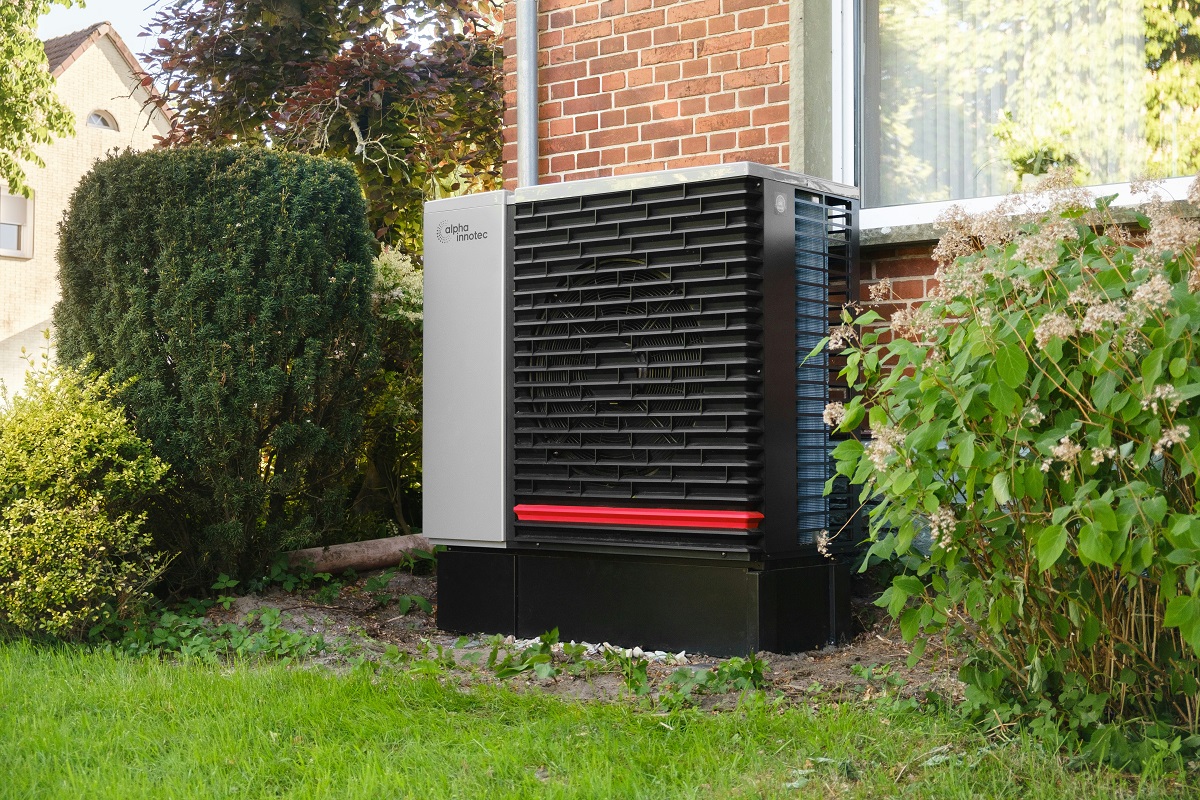
HVAC stands for heating, ventilation, and air conditioning. In a typical home, that means a furnace or heat pump for warmth, an air conditioner or heat pump for cooling, a network of ducts to move the air around, and a thermostat that tells everything when to turn on and off. Some homes also have separate humidifiers, air purifiers, or ventilators tied into the same system.
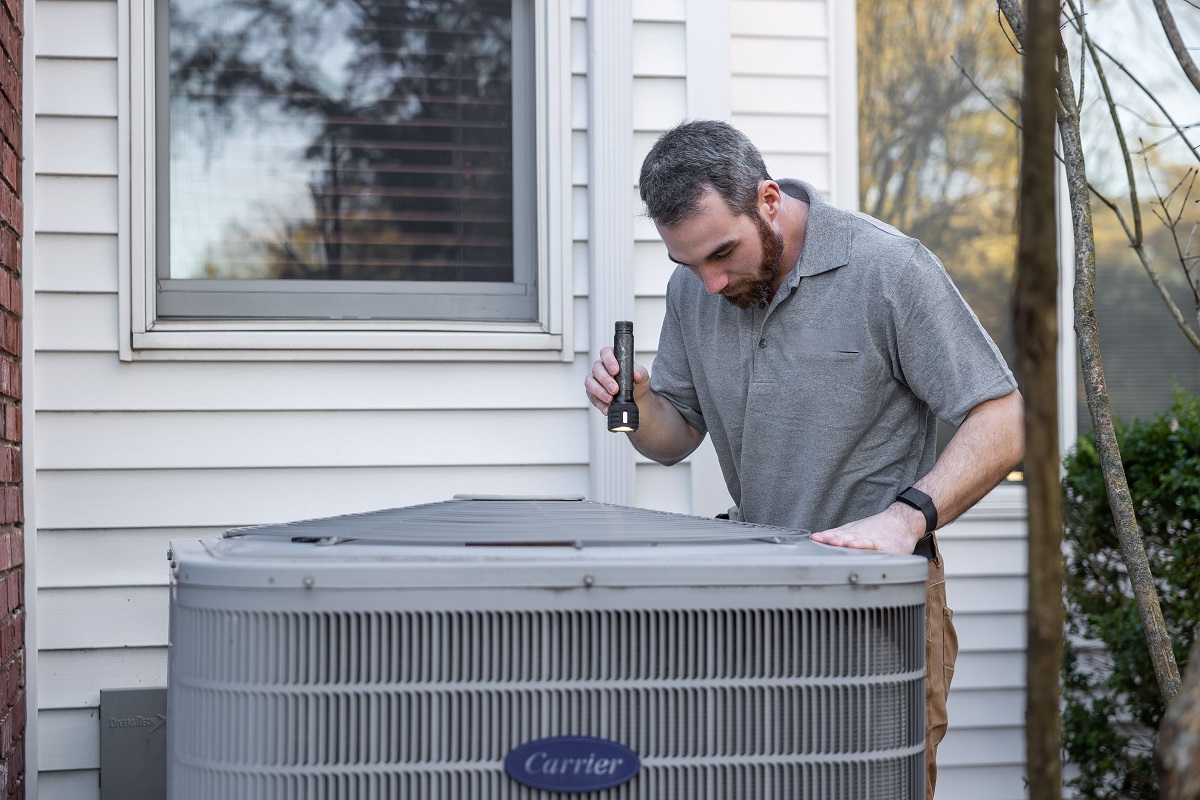
The outdoor unit, usually called the condenser, handles heat exchange with the outside air. The indoor unit, often an air handler or furnace, pushes conditioned air through the ducts and into each room. Refrigerant lines connect the two sides and carry heat back and forth. When any one of these components starts to struggle, the whole system works harder to compensate.
Why the Thermostat Matters More Than You Think
The thermostat is the brain of the operation. If it is misreading the temperature, placed in a bad spot, or running on dying batteries, your system will cycle on and off at the wrong times. That wastes energy and puts unnecessary wear on the compressor and blower motor. Before assuming you have a big mechanical problem, always check the thermostat first.
Everyday Issues That Trip Up Homeowners
Most heating and cooling headaches fall into a handful of predictable categories. Once you learn to recognize them, you can either fix the small ones yourself or describe the symptom accurately when you call a professional. Understanding these patterns is the foundation of smart HVAC care, because the earlier you catch a warning sign, the less likely it is to snowball into a full system replacement. Here are the usual suspects:
- Clogged air filters restricting airflow and freezing up the coil
- Thermostat sensors drifting out of calibration or losing power
- Refrigerant leaks causing weak cooling and ice on the lines
- Failed capacitors preventing the outdoor unit from starting
- Dirty condenser coils forcing the system to run longer
- Leaky or disconnected ducts dumping conditioned air into attics
- Clogged condensate drain lines backing up water into the air handler
- Worn blower motor bearings producing grinding or squealing noises
- Tripped breakers or blown low-voltage fuses from power surges
Each of these shows up in different ways. A clogged filter, for example, often masquerades as a refrigerant problem because both can cause ice to form on the evaporator coil and both leave you with weak, lukewarm air at the vents. Thermostat issues are sneaky too — a system that short-cycles or refuses to reach setpoint may just have a sensor coated in dust or a set of dying AA batteries rather than a serious control board failure. Duct leaks, on the other hand, rarely announce themselves at all; you simply pay higher bills month after month while the attic or crawlspace stays suspiciously comfortable.
According to Phil’s Heating and Air, capacitors show up in 36 percent of emergency AC repair calls, which makes them one of the single most common failure points during a hot stretch. A capacitor is a small cylindrical part that gives the motors the jolt of electricity they need to start. When one dies, the unit will often hum but refuse to spin up, and in some cases you can even see the top of the capacitor bulging or leaking oily residue — a dead giveaway that it’s cooked. Heat is the main enemy here: triple-digit afternoons, combined with a condenser coil caked in cottonwood fluff or lawn clippings, push internal temperatures well past what the component is rated for. That’s why capacitor failures tend to cluster during the first serious heat wave of the summer, right when every HVAC company in town is already booked out a week. Learning this short list of common HVAC problems and solutions won’t turn you into a technician overnight, but it will help you triage the situation calmly instead of panicking when the house starts climbing past 80 degrees.
Simple Fixes Versus Calls That Need a Pro
Some tasks genuinely are do-it-yourself friendly. Changing a filter, clearing leaves away from the outdoor unit, flipping a tripped breaker, or replacing thermostat batteries all fall into that camp. You do not need any specialized training or tools, and the risk of making things worse is low.
Other repairs absolutely require a licensed technician. Anything involving refrigerant is regulated by law. Electrical work inside the air handler, gas line connections on a furnace, and sealed-system repairs all demand professional training. Attempting them yourself can void warranties, violate code, or create a serious safety hazard. If you are ever unsure whether you have reached the limit of safe HVAC care, err on the side of calling someone.
Signs You Should Stop and Call Someone
Certain symptoms are red flags that need immediate professional attention. A burning smell when the furnace starts, water pooling around the indoor unit, visible ice on the refrigerant lines, repeated circuit breaker trips, or a rotten egg odor near a gas appliance all qualify. Shut the system off and pick up the phone.
Your Year-Round Maintenance Checklist
The single most effective thing you can do is follow a simple seasonal routine. Nothing on this list is complicated, and together these habits prevent the vast majority of breakdowns. Here is a practical checklist to work through:
- Replace or wash the air filter on schedule, more often if you have pets
- Rinse the outdoor condenser coil gently with a garden hose each spring
- Keep at least two feet of clearance around the outdoor unit
- Check that all supply and return vents inside the home are unblocked
- Pour a cup of vinegar down the condensate drain line twice a year
- Schedule a professional tune-up once a year, ideally before peak season
Trane recommends that homes without pets change their air filters at least every ninety days, and more frequently if you have shedding animals or allergy sufferers. A fresh filter is the cheapest insurance policy you can buy for your system. Dirt restricts airflow, which forces the blower to work harder and can eventually freeze the evaporator coil.
If you have never booked a tune-up before and feel unsure about the process, it helps to read up on what to expect during an HVAC maintenance visit so you know what questions to ask and what the technician should cover.
Frequent HVAC Troubles and How to Handle Them
Understanding the frequent HVAC troubles and how to handle them gives you a real advantage as a homeowner. When your system blows warm air instead of cold, the cause is usually one of three things: a thermostat set to the wrong mode, a tripped breaker on the outdoor unit, or low refrigerant from a leak. The first two you can check yourself in under a minute. The third needs a technician with the right gauges and license.
Weak airflow from the vents almost always traces back to a dirty filter, closed dampers, or duct leaks hidden in walls and attics. According to ServiceTitan, improper installation such as poorly sealed ductwork can cut system efficiency by as much as 30 percent. That is a huge amount of money leaking out of your home every month, and most homeowners have no idea it is happening.
Strange noises deserve attention too. A squealing sound often means a worn belt or motor bearing. Banging suggests a loose part inside the blower cage. Clicking that repeats without the system starting usually points to that troublesome capacitor. Learning the common hvac problems and solutions that match each sound helps you communicate clearly with a technician and avoid being oversold on repairs you do not need.
When Age Becomes the Real Issue
Sometimes the honest answer is that your equipment has reached the end of its useful life. Systems older than fifteen years, especially those needing frequent repairs, often cost more to keep running than to replace. If your unit uses older refrigerant that is being phased out, parts also get harder to source. Taking an honest look at whether to repair or replace your AC can save you thousands over the next decade.
Small Habits That Save Big
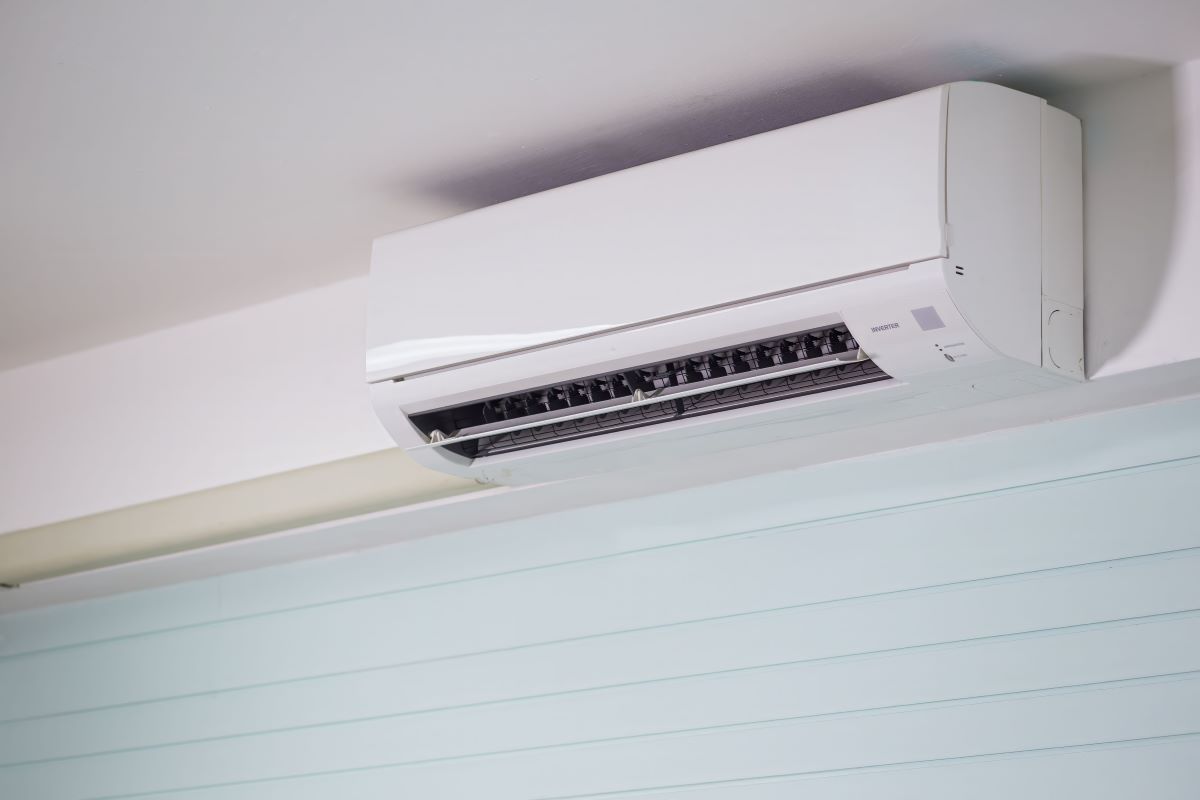
The difference between a system that lasts twelve years and one that lasts twenty-two often comes down to a handful of small weekly and monthly habits. None of them take much time, but they add up. Walking around your equipment once a month and just looking for anything out of place catches problems while they are still cheap to fix.
Pay attention to how your home feels room by room. If one bedroom is suddenly five degrees warmer than the rest of the house, something has shifted, whether it is a damper, a blocked return, or a duct that has come loose. Trust your senses. Odd smells, new sounds, and unexpected temperature swings are the system’s way of asking for help before it quits entirely.
- Listen for new noises during startup and shutdown each week
- Peek at the outdoor unit after storms to clear branches or debris
- Watch your monthly energy bill for unexplained increases
- Feel the air coming from a few vents to confirm steady airflow
- Glance at the drain pan under the indoor unit for standing water
Preparing for Seasonal Transitions
The weeks between heavy heating and heavy cooling demand are the perfect window to test everything. On the first mild spring day, switch the system to cooling mode and let it run for twenty minutes. Do the same with heat in early fall. Catching a failure in October is a lot less stressful than discovering it during the first cold snap in December when every technician in town is booked solid.
Working With a Technician You Trust
Finding a reliable contractor before you need one in an emergency changes everything. When you are not panicking, you can ask questions, compare quotes, and read reviews carefully. A good technician explains what they found, shows you the worn part, and gives you options rather than pressuring you into the most expensive fix on the spot.
Keep a simple folder with your equipment model numbers, installation date, and a log of any service visits. When you call for help, having that information ready speeds up diagnosis and often lowers your bill. It also helps the next homeowner if you ever sell the house, since documented maintenance history is a real selling point.
Closing Thoughts
Keeping a heating and cooling system healthy is not about becoming an expert overnight. It is about building a few good habits, knowing what to watch for, and understanding when a situation is beyond your toolkit. The homeowners who get the most years and the lowest bills out of their equipment are the ones who pay a little attention all year rather than ignoring the system until it fails.
Use the checklist in this guide as your starting point. Swap filters on time, keep the outdoor unit clear, book that annual tune-up, and listen to what your system is telling you. Small efforts compound into real savings and far fewer emergency calls on holiday weekends.
And when something does go wrong, you now have the vocabulary and the confidence to describe the problem, ask smart questions, and make informed decisions. That alone puts you ahead of most homeowners and gives you a comfortable home for many years to come.