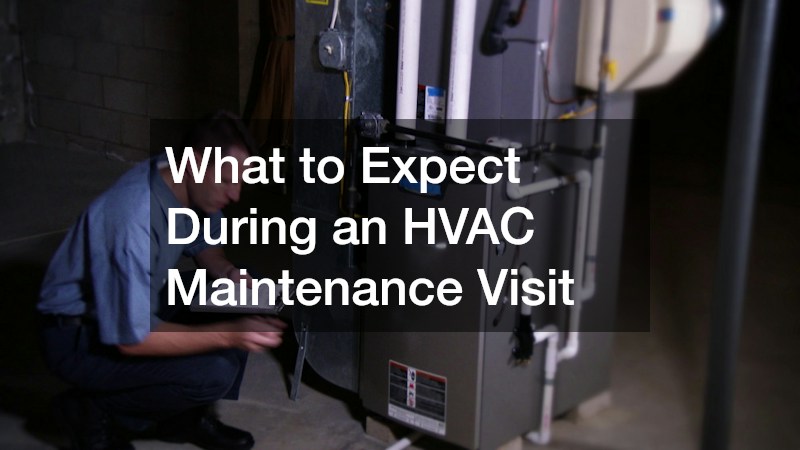
Regular heating and cooling maintenance can help homeowners identify potential problems before they interfere with indoor comfort. A maintenance visit is more than a quick look at the thermostat or a simple filter change. Depending on the equipment and the scope of the appointment, a professional may inspect multiple components, check system performance, clean certain parts, and look for signs of wear.
Knowing what to expect can also help homeowners understand the difference between routine maintenance and repairs. If a technician finds a component that needs attention, they can explain the issue and discuss possible next steps. This article explores common parts of an HVAC maintenance visit and what homeowners can expect throughout the process.
Begin With a Thorough System Inspection
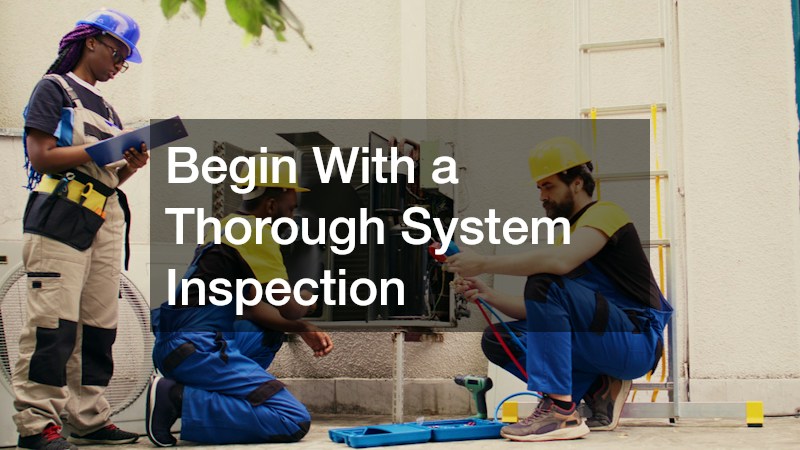
A maintenance appointment generally begins with an inspection of the heating and cooling equipment. The technician may review the system’s condition, listen for unusual sounds, examine visible components, and check for signs of wear or damage.
The technician may also ask the homeowner whether they’ve noticed changes in comfort or performance. Uneven temperatures, unusual odors, frequent cycling, or unexplained increases in energy consumption can provide useful information about how the system has been operating.
An HVAC contractor may inspect indoor and outdoor components, depending on the type of equipment installed. For a central cooling system, this could include examining the outdoor condenser, indoor evaporator coil area, refrigerant lines, electrical connections, and other components.
Filters may also be checked because a dirty filter can restrict airflow. If the filter needs replacement, the technician may recommend replacing it based on the system’s requirements and the home’s conditions.
The inspection can also include checking thermostats and controls. A thermostat that isn’t communicating properly with the system can affect comfort even when the heating and cooling equipment itself is functioning correctly.
Routine inspections provide an opportunity to identify developing concerns. Finding worn components or other problems during scheduled maintenance can give homeowners more time to consider their options instead of discovering an issue when the system stops working.
Identify and Address Potential Equipment Problems
Maintenance can reveal problems that aren’t immediately obvious to homeowners. Components can gradually wear down from regular use, and some issues may initially have only a minor effect on performance.
HVAC repair may be recommended when a technician finds a component that isn’t operating correctly or shows significant wear. The exact repair depends on the system and the problem identified. It could involve replacing a worn part, correcting an electrical issue, addressing a mechanical problem, or making another adjustment.
A technician may inspect belts, motors, electrical connections, condensate systems, and other components as appropriate for the equipment. They may also examine areas where dirt, corrosion, or other conditions could interfere with performance.
Homeowners should ask questions when a repair is recommended. Understanding what failed, why it matters, and what could happen if the problem isn’t addressed can help the homeowner make an informed decision.
It can also be useful to distinguish between an immediate repair and a condition that can be monitored. Not every worn component requires emergency replacement, but some issues can become more serious if ignored.
The age of the system is another consideration. For newer equipment, repairing a single component may be a straightforward way to restore performance. For older equipment with repeated problems, a homeowner may want to compare the cost of continued repairs with other options.
Check Your Cooling System for Common Issues
Cooling equipment works under significant demand during warm weather, making regular inspections particularly useful before or during the cooling season. A maintenance visit can include checks designed to evaluate whether the system is operating as expected.
AC repair can become necessary when the system isn’t cooling properly, cycles too frequently, produces unusual noises, or shows other signs of trouble. A technician may evaluate airflow, electrical components, refrigerant-related concerns, coils, and other parts of the system.
A home that takes unusually long to cool may have several possible causes. Restricted airflow, dirty components, thermostat problems, duct issues, and equipment malfunctions can all contribute to poor performance. A professional inspection can help narrow down the potential cause.
The outdoor unit also deserves attention. Leaves, grass clippings, dirt, and other debris can accumulate around the condenser and restrict airflow. Keeping the area around the equipment clear can support proper operation.
Homeowners should also report unusual sounds or odors. A new rattling, buzzing, grinding, or squealing sound can indicate a mechanical or electrical concern that deserves evaluation.
Routine cooling maintenance doesn’t eliminate every possible problem, but it can help identify issues before they result in a complete system shutdown during a period of high demand.
Restore Reliable Cooling Performance

When a cooling system isn’t performing as expected, a professional evaluation can determine whether maintenance, adjustment, or a more extensive repair is appropriate. Addressing performance concerns early can help restore comfort and reduce the likelihood of continued problems.
An AC repair service may evaluate several aspects of the system rather than focusing only on the symptom the homeowner has noticed. For example, weak airflow may be related to a filter, blower component, ductwork, coil, or another part of the system.
The technician may measure system performance and compare the results with expected operating conditions. These checks can help determine whether the equipment is cooling effectively and whether components are working together as intended.
Refrigerant-related concerns may also require professional attention. Homeowners shouldn’t attempt to handle refrigerant themselves because these systems require specialized equipment and procedures.
Drainage is another area that can affect cooling performance. Air conditioning systems remove moisture from indoor air, and that moisture needs to drain properly. A blocked or damaged condensate line can contribute to water leaks or other problems.
After evaluating the system, the technician can explain what was found and outline possible solutions. Homeowners can then decide how to proceed based on the condition of the equipment, the urgency of the problem, and the expected cost.
Compare Options for Ongoing Heating and Cooling Needs
Homeowners sometimes encounter multiple companies offering heating and cooling services, particularly when they need maintenance, repairs, or equipment replacement. Comparing providers can help homeowners understand what each appointment includes.
HVAC companies may differ in the systems they work on, the services they provide, their availability, and the experience of their technicians. Homeowners can ask whether a company has experience with their specific type and model of equipment.
Before scheduling maintenance, it can be useful to ask what the appointment covers. A basic inspection may not include the same tasks as a more comprehensive maintenance plan.
Homeowners can also ask about recommendations for future maintenance. Understanding how frequently the equipment should be inspected can help with long-term planning.
If replacement is discussed, homeowners should request information about the proposed equipment, installation requirements, warranty terms, and expected operating costs. Comparing the total scope of the project can be more useful than comparing equipment prices alone.
Clear communication is important throughout the process. A homeowner should feel comfortable asking what a recommended service involves and why it is being suggested.
Keep Your Home Comfortable Throughout the Year
Heating and cooling systems have different operating demands throughout the year, so maintenance planning should account for seasonal use. Preparing equipment before periods of heavy demand can help homeowners identify concerns at a convenient time.
HVAC services can include maintenance, troubleshooting, repairs, equipment replacement, and other forms of system care. The specific services needed depend on the equipment installed in the home and its condition.
Seasonal maintenance can also provide an opportunity to evaluate indoor comfort. If certain rooms are consistently warmer or cooler than others, the problem may involve airflow, ductwork, insulation, thermostat placement, equipment performance, or another factor.
Indoor air quality can also be discussed during maintenance. Filters, ventilation, humidity levels, and duct conditions can influence the indoor environment.
Homeowners should keep an eye on energy usage as well. A gradual increase in heating or cooling costs can have many causes, including changes in weather or household usage, but it can sometimes indicate that equipment isn’t operating as efficiently as it once did.
Regular maintenance can help homeowners stay informed about the condition of their systems. Instead of waiting for an unexpected failure, they can use scheduled visits to discuss developing concerns and plan future work.
Plan Professional Care for Your Heating and Cooling System

Professional maintenance is easier to manage when homeowners establish a regular schedule. The appropriate frequency depends on the equipment, manufacturer’s recommendations, system age, and household circumstances.
HVAC contractors can evaluate equipment during scheduled appointments and provide recommendations based on what they find. A maintenance plan may include tasks such as inspecting components, cleaning accessible parts, checking system operation, and identifying worn or damaged components.
Homeowners should keep records of maintenance visits and repairs. These records can help track recurring problems and provide useful information if the system eventually needs replacement.
Filters should also be monitored between professional visits. The correct replacement schedule depends on the type of filter, system requirements, indoor conditions, and household factors. A technician can provide guidance based on the equipment.
Outdoor equipment should remain accessible and free from excessive debris. Homeowners can visually check the area around the unit without attempting to open or repair the equipment themselves.
Maintenance is also a good time to ask about the system’s remaining service life. A technician may be able to identify signs that replacement planning should begin, giving homeowners more time to research options rather than making a rushed decision after an unexpected breakdown.
Prepare Your Home for a New System
Eventually, every heating and cooling system reaches a point where replacement becomes a consideration. Repeated repairs, declining performance, age, or other factors can lead homeowners to explore new equipment.
An HVAC install involves more than simply removing old equipment and putting a new unit in its place. The replacement system needs to be appropriate for the home’s size, layout, existing ductwork, electrical requirements, and other factors.
Homeowners should discuss equipment options with a qualified professional before selecting a replacement. Choosing a system based solely on its purchase price may overlook installation requirements, operating costs, maintenance needs, and compatibility with the home.
The condition of the ductwork is also worth considering. Installing new equipment won’t necessarily resolve comfort problems if significant duct issues remain.
Thermostat compatibility may also matter. Some newer systems use advanced controls or communication technologies that require compatible thermostats.
Homeowners should ask for a detailed estimate that explains equipment, labor, installation requirements, warranties, and other relevant costs. This can make it easier to understand the overall scope of the project.
Planning ahead can also provide more flexibility. If an aging system is still functioning but showing signs of decline, homeowners may have time to research replacement options before an emergency occurs.
Improve Airflow by Addressing Dust and Debris
Air ducts distribute conditioned air throughout the home, so their condition can affect airflow and indoor comfort. While routine maintenance doesn’t necessarily mean duct cleaning is required every time, visible debris or specific airflow concerns may warrant further evaluation.
Air duct cleaning companies can inspect ductwork and determine whether cleaning is appropriate. Homeowners should be cautious of claims that every household needs frequent duct cleaning regardless of the condition of its ducts.
Signs that could justify an inspection include visible debris coming from registers, evidence of pests, substantial dust accumulation, or concerns about the condition of accessible duct components. A professional can evaluate the specific situation before recommending a service.
Air filters remain an important part of routine system care. Replacing filters according to the manufacturer’s recommendations can help limit airborne particles entering the system.
Ductwork should also be inspected when homeowners experience persistent airflow problems. However, weak airflow can have multiple causes, so cleaning ducts isn’t automatically the solution.
If duct cleaning is recommended, homeowners can ask what areas will be cleaned, what equipment will be used, and whether any repairs or sealing work are needed. Understanding the scope of the service can help homeowners determine whether it addresses their particular concern.
Inspect Efficient Heating Options for Your Home

Heat pumps can provide both heating and cooling, making them an option for homeowners interested in a single system that serves multiple seasonal needs. Like other heating and cooling equipment, they require appropriate installation and regular maintenance.
Heat pumps transfer heat rather than generating it in the same way as conventional combustion-based heating equipment. During warmer weather, the system can operate in reverse to provide cooling.
A maintenance visit for a heat pump can include inspecting electrical components, checking airflow, examining coils, and evaluating the system’s overall operation. Because heat pumps operate throughout much of the year in many homes, regular maintenance can be particularly useful.
Homeowners considering this type of equipment should evaluate the home’s existing ductwork, insulation, electrical system, and comfort requirements. Climate is another important consideration when selecting heating and cooling equipment.
Professional guidance can help determine whether a particular system is appropriate for the property. Homeowners can also ask about efficiency ratings, operating costs, maintenance requirements, and expected service life.
If a heat pump is replacing another type of heating or cooling system, installation may involve changes to existing equipment or connections. Understanding these requirements in advance can help homeowners prepare for the project.
An HVAC maintenance visit gives homeowners an opportunity to learn more about the condition of their heating and cooling equipment before a small concern becomes a larger disruption. A professional can inspect system components, evaluate performance, identify signs of wear, and explain whether any repairs or additional services are appropriate.
Ultimately, an HVAC maintenance visit is about more than checking whether the system turns on. It provides a chance to evaluate performance, identify potential problems, and make informed decisions about ongoing care. By paying attention to warning signs and scheduling appropriate professional maintenance, homeowners can support dependable indoor comfort throughout the year.