Summer heat can put significant pressure on a home’s cooling system. When temperatures remain high for days, an air conditioner may run for extended periods yet still struggle to keep indoor spaces comfortable. Simply lowering the thermostat does not always solve the problem. A system that cannot keep up may be experiencing restricted airflow, poor maintenance, electrical issues, excessive humidity, heat entering the home, or aging equipment. Identifying the cause early can help homeowners take the right steps before a minor issue becomes a major summer breakdown.
Check Airflow Before Changing the Thermostat
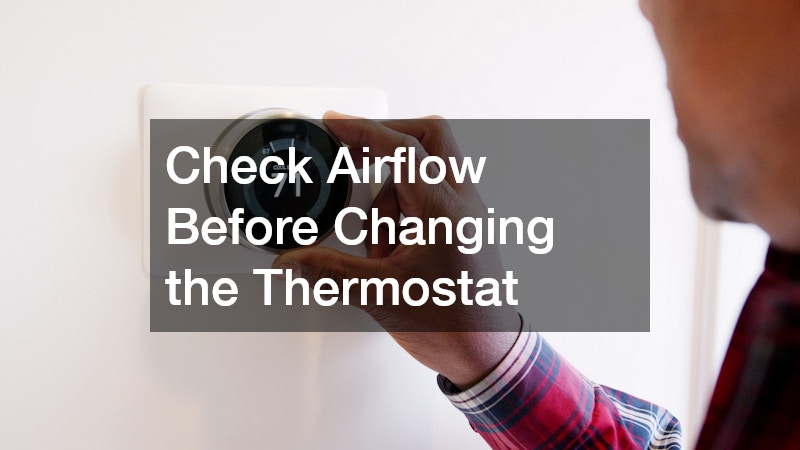
When a home feels too warm, many homeowners immediately lower the thermostat. However, changing the temperature will not solve the problem if cooled air cannot move effectively throughout the home. Restricted airflow can cause certain rooms to remain warm while the system runs for extended periods. A dirty filter is one of the easiest problems to investigate because dust and debris can reduce the amount of air moving through the system.
Supply vents and return grilles should also be checked. Furniture, curtains, rugs, and other objects can block the movement of conditioned air. Homeowners should make sure vents are open and unobstructed throughout the house. If one room consistently receives weaker airflow than another, the problem may involve ductwork, system balancing, or another issue that cannot be solved by adjusting the thermostat.
Homeowners can start with a few simple checks:
- Inspect the filter for visible dirt.
- Make sure supply registers are open.
- Keep furniture away from vents and returns.
- Look for excessive dust around registers.
- Note rooms that consistently feel warmer.
- Listen for unusual sounds near vents.
Persistent airflow problems should be professionally evaluated. A system forced to operate against major restrictions may experience additional strain on its components. Local hvac companies can inspect airflow and ductwork to determine where the problem originates. Local HVAC services may also help identify issues that are difficult to find through a basic visual inspection.
Reduce Heat Gain During the Hottest Hours
Even a properly functioning cooling system can struggle when a home absorbs excessive heat. Direct sunlight through windows can raise indoor temperatures, especially during the afternoon. Heat may also enter through poorly sealed doors, older windows, and inadequately insulated areas. The more heat entering the home, the more work the cooling system must do to remove it.
Daily activities can add additional heat. Cooking with an oven, running certain appliances, and taking hot showers can raise indoor temperatures and humidity. Homeowners can use exhaust fans in kitchens and bathrooms to remove heat and moisture. Closing blinds, shades, or curtains during the hottest parts of the day can also reduce solar heat entering the home.
Consider these simple ways to limit heat gain:
- Close window coverings during direct sunlight.
- Seal noticeable gaps around doors and windows.
- Use exhaust fans while cooking or showering.
- Limit oven use during the hottest part of the day.
- Check whether attic heat is transferring into living spaces.
If the system continues running for long periods despite reasonable efforts to limit heat entering the home, the equipment may need professional attention. Air conditioning repair companies can inspect the system for mechanical issues affecting its ability to remove heat. Homeowners looking for local AC repairs should seek an evaluation that considers the entire system rather than simply replacing a component without identifying the cause of the problem.
Keep the Outdoor Unit Clear and Clean
The outdoor condenser releases heat removed from inside the home. When leaves, grass, branches, weeds, and other debris surround the unit, airflow can become restricted. This makes it more difficult for the equipment to release heat efficiently. The system may then run longer and experience additional strain during hot weather.
Homeowners should inspect the area around the outdoor unit regularly. Plants should not grow directly against the equipment, and grass clippings should not be allowed to accumulate around it. Debris should be removed carefully to avoid damaging the condenser fins. Homeowners should also avoid opening the equipment or attempting to clean internal components without proper training.
An outdoor-unit check can include:
- Removing leaves and branches.
- Trimming plants near the condenser.
- Clearing away grass clippings.
- Looking for visible physical damage.
- Keep storage items away from the unit.
If the equipment is excessively dirty inside, is making unusual noises, or is failing to cool the home, an AC contractor can perform a professional evaluation. A technician can determine whether the issue involves airflow, electrical components, refrigerant, mechanical wear, or another problem affecting performance.
Recognize Signs That Cooling Performance Is Declining
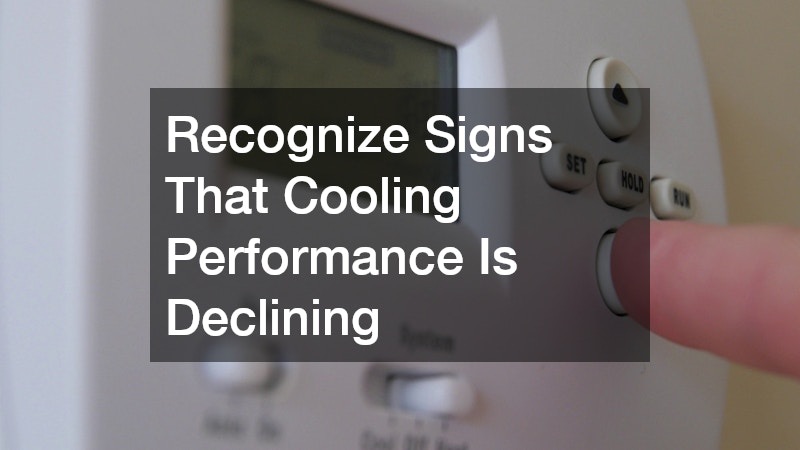
A cooling system often shows warning signs before it stops working completely. Long cooling cycles are one common symptom. Although a system may run longer during extreme heat, it should still be able to maintain reasonable comfort. Uneven temperatures throughout the home may also point to airflow restrictions, ductwork problems, thermostat concerns, or equipment issues.
Other symptoms may be less obvious. A sudden increase in energy use can indicate that the system is working harder than normal. Strange noises, unusual odors, water near indoor equipment, and repeated cycling should also receive attention. Warm air coming from the vents is especially concerning when the system is running, but the air does not feel properly cooled.
Watch for signs such as:
- Rooms that remain warm despite extended operation.
- Air from vents that is not properly cooled.
- Unusual buzzing, rattling, or grinding.
- Unexpected increases in energy use.
- Water near indoor equipment.
- Frequent starts and stops.
Homeowners should avoid replacing random parts in an attempt to solve these symptoms. Several different problems can create similar signs. A professional evaluation can determine whether the cause is mechanical, electrical, airflow-related, or connected to the home’s structure. Addressing warning signs early may help prevent a complete breakdown during the hottest part of summer.
Schedule Maintenance Before the System Works Hardest
Routine maintenance can help prepare a cooling system for the demands of summer. During a professional inspection, technicians can examine components that homeowners cannot easily evaluate themselves. Coils, condensate drains, electrical connections, moving parts, controls, and other components can all affect system performance. Maintenance may also reveal developing concerns before they result in a complete loss of cooling.
Waiting until the system stops working can create additional inconvenience. Breakdowns often happen when temperatures are highest and demand for service is elevated. A maintenance visit may identify worn parts, drainage issues, restricted airflow, or other concerns that could worsen under heavy use. Although maintenance cannot guarantee that a system will never fail, it provides an opportunity to find and address problems earlier.
A maintenance visit may include checking:
- Filter and airflow conditions.
- Indoor and outdoor coils.
- Condensate drainage.
- Electrical connections.
- Moving components.
- Thermostat operation.
- Refrigerant-related performance concerns.
The appropriate service schedule depends on the equipment, its age, usage, and manufacturer recommendations. If a system is already showing symptoms such as weak cooling, unusual sounds, or excessive cycling, AC repair may be necessary instead of waiting for a routine appointment. Timely service can determine whether the problem requires a simple adjustment or a more significant repair.
Test the Thermostat and Improve Temperature Control
The thermostat plays an important role in maintaining indoor comfort. However, its location and condition can affect how accurately it measures the home’s temperature. A thermostat near direct sunlight, a heat-producing appliance, or a draft may not reflect the average temperature throughout the house. This can cause the system to shut off too early or run longer than necessary.
Homeowners should also check basic settings when the home is not cooling properly. The system should be in the correct cooling mode, and the programmed schedule should match the household’s needs. Weak batteries can also affect some thermostats. Programmable settings may help reduce unnecessary cooling when no one is home while maintaining comfort when residents return.
Review the following thermostat details:
- Check whether the temperature reading seems accurate.
- Replace batteries when necessary.
- Keep the thermostat away from direct sunlight.
- Review programmed schedules.
- Avoid repeatedly lowering the temperature to compensate for poor cooling.
Some thermostat concerns involve wiring or communication with the equipment. Wiring installers may be able to address certain wiring needs, while local electricians can evaluate broader electrical problems. Homeowners should avoid guessing which wires need to be changed because incorrect wiring can damage equipment or create safety hazards.
Investigate Electrical Problems That Affect Cooling
Cooling systems depend on electricity to operate motors, fans, controls, compressors, and other components. Electrical problems may cause the system to start inconsistently, shut down unexpectedly, or fail to operate altogether. Warning signs can include repeated breaker trips, flickering lights, buzzing sounds, burning odors, or sudden loss of power.
Homeowners should not attempt to work inside electrical panels or handle exposed wiring without proper training. Repeatedly resetting a breaker without identifying why it tripped can also create additional problems. A professional can determine whether the issue involves the cooling equipment, the home’s electrical service, or another component in the circuit.
Electrical warning signs may include:
- Repeatedly tripping breakers.
- Burning smells near equipment.
- Buzzing or popping sounds.
- Sudden unexplained shutdowns.
- Visible wiring damage.
A residential electrician may be needed when the concern involves the home’s wiring, panel, circuits, or power supply. HVAC professionals can evaluate electrical components located within the cooling equipment. In some situations, both types of professionals may need to coordinate to identify the source of the problem. Electrical symptoms should not be ignored because continued operation under unsafe conditions can damage equipment or create a serious hazard.
Improve Humidity Control for a More Comfortable Home
Temperature is not the only factor affecting summer comfort. High indoor humidity can make a home feel warmer even when the thermostat displays a reasonable temperature. Moisture in the air can make rooms feel damp and uncomfortable while causing the cooling system to appear less effective. Cooling cycles normally remove some moisture from indoor air, but persistent humidity problems may indicate a larger concern.
A system that is too large for a home may cool the air quickly without running long enough to remove sufficient moisture. Drainage issues, inadequate ventilation, and moisture entering through the building envelope can also contribute to indoor humidity. In other cases, a system that is struggling to cool the home may run for long periods without creating comfortable conditions.
Homeowners should watch for:
- Rooms that feel damp even when they are cool.
- Persistent musty odors.
- Condensation on windows.
- Areas that feel more humid than others.
- Ongoing discomfort despite reasonable thermostat settings.
A humidity monitor can help homeowners understand whether indoor moisture levels remain consistently high. However, it cannot identify the cause. Persistent humidity problems may require a professional evaluation of the cooling system, drainage, ventilation, and the home itself.
Decide Whether a Repair or Replacement Makes More Sense

When a cooling system struggles, homeowners may wonder whether they should repair the equipment or replace it. The decision depends on factors such as age, repair history, operating costs, comfort problems, and the condition of major components. A single repair does not automatically mean replacement is necessary. Many systems can continue operating effectively after a properly completed repair.
However, repeated major failures may suggest that continued repairs are becoming less practical. Homeowners should consider whether the system is experiencing frequent breakdowns or requiring increasingly expensive repairs. Rising energy use and persistent comfort problems may also indicate declining performance. Looking at the overall condition of the equipment is more useful than focusing only on the immediate cost of one repair.
Consider:
- The age of the equipment.
- The history of previous repairs.
- The cost of the current repair.
- Changes in energy consumption.
- Persistent comfort problems.
- The expected cost of future repairs.
- Whether the system is properly sized.
If replacement is appropriate, the new equipment should be selected based on the home’s cooling requirements. An oversized system can create humidity and comfort problems, while an undersized system may struggle to meet demand. Proper installation and sizing are essential for long-term performance.
Build a Summer Cooling Plan Before the Next Heat Wave
Homeowners should not wait until the hottest day of the year to consider whether their cooling system is ready. Preparing ahead of time provides an opportunity to identify problems, schedule service, and make simple improvements. A summer cooling plan can begin with a basic review of filters, vents, the outdoor unit, thermostat settings, and previous warning signs.
Homeowners should also identify rooms that consistently become too warm. Recording when and where comfort problems occur can provide useful information during a professional evaluation. For example, one room may have weak airflow while another may receive excessive afternoon sunlight. Recognizing these patterns can help professionals identify potential causes more efficiently.
A simple preparation checklist includes:
- Checking the air filter.
- Keeping vents and returns unobstructed.
- Clearing debris from the outdoor unit.
- Testing the thermostat.
- Watching for unusual sounds and odors.
- Noting rooms that remain too warm.
- Schedule service when warning signs appear.
Homeowners should also know when to stop troubleshooting independently. Replacing a filter or moving furniture away from a vent is different from opening equipment, handling refrigerant, or working on electrical components. Complex repairs should be left to qualified professionals. Acting early can help prevent a minor problem from becoming a complete cooling failure during extreme heat.