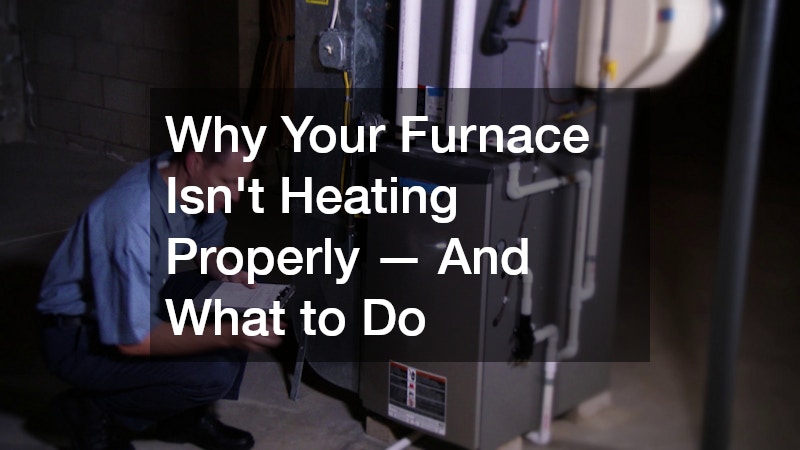
A cozy home during the cold months relies heavily on the efficient functioning of your furnace. When your furnace isn’t heating properly, it can lead to uncomfortable living conditions and potentially higher energy bills. Understanding the reasons behind furnace malfunction and the steps to rectify the issue is essential for every homeowner.
This article aims to provide an extensive guide to help you troubleshoot and fix furnace-related problems. We’ll delve into common causes of heating inefficiency and explore practical solutions to tackle these issues.
By the end of this article, you will be equipped with the knowledge of doing a furnace repair in order to maintain an efficient and well-functioning heating system.
Understanding the intricacies of furnace mechanics is not just for HVAC professionals. Homeowners can benefit from a basic comprehension of their system to ensure they are not left out in the cold. Read on to discover how you can keep your home’s heating system in prime condition throughout the winter months.
What Can Cause a Furnace Not To Heat Properly?
One of the primary reasons a furnace might fail to heat properly is a dirty or clogged air filter. When filters become obstructed by dirt and debris, they restrict airflow, causing the furnace to work harder than necessary to circulate warm air. In severe cases, a clogged filter can lead to overheating and even shut down the system entirely as a protective measure.
Another common issue affecting furnace performance is a malfunctioning thermostat. If the thermostat is incorrectly calibrated, it might not send the proper signals to the system, leading to inadequate or inconsistent heating. Checking and replacing the batteries regularly can preemptively solve this problem, ensuring your thermostat is always communicating accurately with your furnace.
Finally, issues with the pilot light or ignition can prevent a furnace from producing heat effectively. Gas furnaces rely on a pilot light or electronic ignition to initiate the heating process. If the pilot light is extinguished or the ignition fails, the furnace won’t be able to generate the necessary heat, which can often leave homeowners shivering during the colder months.
How to Troubleshoot Your Furnace Effectively?
To troubleshoot your furnace, start by inspecting the air filter for dirt and debris. A visual exam can reveal whether the filter needs cleaning or replacement. Regular maintenance includes replacing the air filter every one to three months, which keeps the furnace running efficiently and extending its lifespan.
Next, check the thermostat settings to ensure they are accurate. Set the thermostat to a temperature a few degrees higher than the current room temperature to test if the furnace responds appropriately. If there’s no response, replacing the thermostat’s batteries or recalibrating it could be necessary.
If the furnace still fails to heat properly, inspect the pilot light or ignition system. For furnaces with a pilot light, relighting it might be all that’s required to restore heat. On newer models with electronic ignition systems, inspection of related components can determine if replacements are needed to ensure reliable operation.
What Are Some Effective Solutions to Fix the Issue?
Routine maintenance remains a frontline defense against furnace issues. Regularly scheduling professional service checks can prevent small problems from escalating into major repairs. HVAC professionals have the expertise to clean, inspect, and adjust system components, ensuring optimal performance and longevity.
Implementing regular filter changes is another straightforward solution for homeowners. Clean filters improve airflow, enhance air quality, and optimize furnace efficiency. Failure to replace dirty filters can reduce the furnace’s lifespan and lead to higher energy consumption and costs.
A lack of heat from your furnace is not only inconvenient but can also impact your comfort and energy expenses. By understanding common causes of furnace inefficiency and implementing the provided troubleshooting techniques, homeowners can restore warmth and ensure a cozy living environment. From maintaining clean air filters to ensuring a functioning thermostat, small actions can lead to significant improvements in performance.
Whether you choose to handle furnace maintenance yourself or enlist professional assistance, the benefits include lower energy costs, improved system lifespan, and enhanced home comfort. As temperatures drop, ensuring your furnace is in optimal condition becomes imperative for maintaining a warm residence.
By staying proactive about furnace upkeep, you can avoid emergency repairs and enjoy consistent heating throughout the cold season. A well-maintained furnace not only heats effectively but also operates efficiently, contributing to lower utility bills and reducing the carbon footprint of your household heating system.