Why Energy Efficiency Matters More Than Ever
Energy efficiency is no longer just a trend for environmentally conscious homeowners. It has become an essential part of maintaining a comfortable, affordable, and healthy home. Rising utility costs, aging home systems, and changing weather conditions all contribute to higher energy consumption throughout the year. Many homeowners are surprised to learn how much energy their homes waste daily through outdated equipment, poor insulation, and neglected maintenance.
Improving efficiency does not always require a complete home renovation. In many cases, strategic upgrades and consistent maintenance can dramatically lower monthly utility bills while improving indoor comfort. Better efficiency also reduces strain on major home systems, helping equipment last longer and perform more reliably during extreme temperatures.
From heating and cooling improvements to insulation upgrades and smarter daily habits, homeowners have many opportunities to reduce unnecessary energy use. The key is understanding where energy loss occurs and taking proactive steps to address those problem areas before they become expensive issues.
The following home improvement strategies can help create a more efficient, comfortable, and cost-effective living environment for years to come.
Upgrade Outdated Heating and Cooling Equipment
Heating and cooling systems account for a large percentage of household energy usage. Older systems often work much harder than necessary to maintain indoor temperatures, leading to higher utility bills and inconsistent comfort levels throughout the home.
One of the first warning signs of an inefficient system is uneven heating or cooling between rooms. Homeowners may also notice frequent cycling, loud operation, excessive dust buildup, or rising monthly energy costs. These issues often indicate that the system is losing efficiency and struggling to keep up with demand.
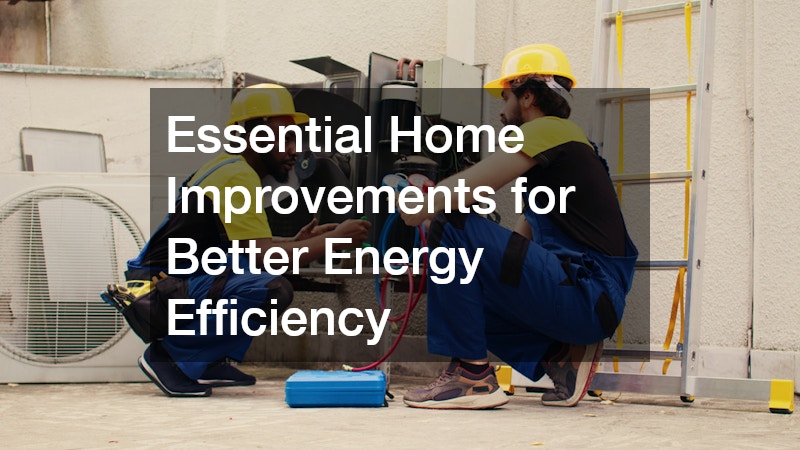
Scheduling regular HVAC service appointments can help identify these problems early. Professional inspections allow technicians to evaluate airflow, inspect components, clean coils, and identify worn parts before they cause larger system failures. Preventative servicing often improves energy performance while reducing the likelihood of costly breakdowns.
In some cases, replacing an aging HVAC unit may be the most cost-effective long-term solution. Systems older than 10 to 15 years generally consume significantly more energy than newer high-efficiency models. Modern systems are designed to deliver better airflow, improved humidity control, and lower operating costs.
Choosing the correct system size is equally important. An oversized system may short-cycle frequently, while an undersized unit can struggle to maintain temperatures efficiently. Proper sizing ensures the equipment operates at peak efficiency without unnecessary strain.
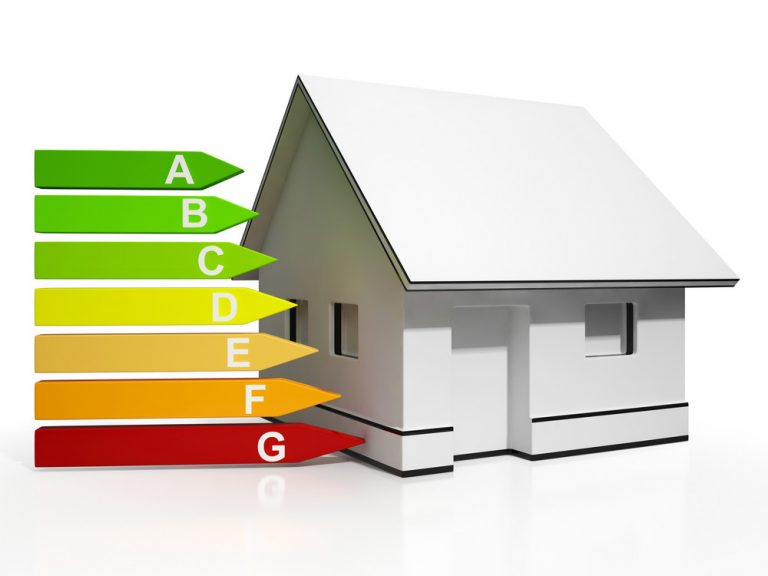
Homeowners should also pay attention to energy efficiency ratings when evaluating replacement options. ENERGY STAR® certified systems are designed to meet strict efficiency standards and often qualify for rebates or tax incentives that help offset installation costs.
Improve Temperature Control With Smarter Monitoring
Many homeowners overlook the importance of temperature control systems when trying to improve efficiency. Even a high-performance heating and cooling system can waste energy if the thermostat is inaccurate or functioning improperly.
A malfunctioning thermostat may cause rooms to feel too warm or too cold even when the settings appear correct. Systems may run longer than necessary or cycle inconsistently, increasing wear and energy consumption. In these situations, professional thermostat repair can restore proper communication between the thermostat and the heating and cooling equipment.
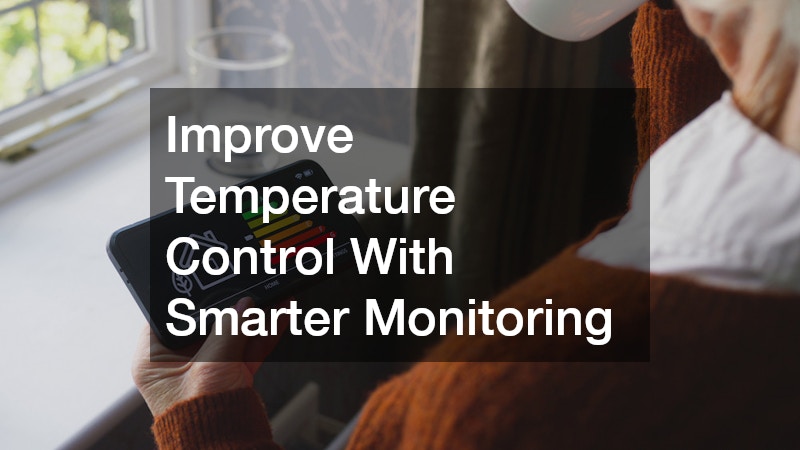
Upgrading to a programmable or smart thermostat is another effective way to improve efficiency. These systems allow homeowners to create customized schedules based on occupancy patterns and daily routines. Temperatures can automatically adjust during work hours, overnight periods, or vacations to reduce unnecessary energy usage.
Routine HV AC maintenance also plays a critical role in keeping systems efficient throughout the year. Dust buildup, dirty coils, clogged filters, and worn components force equipment to work harder than necessary. Regular inspections and tune-ups help ensure all parts operate smoothly and efficiently.
Homeowners can perform several simple maintenance tasks themselves to support system performance. Replacing air filters regularly, keeping vents unobstructed, and cleaning debris around outdoor equipment all contribute to better airflow and improved efficiency.
Neglecting maintenance often leads to reduced system lifespan and more expensive repairs over time. Small issues that go unnoticed can gradually place additional strain on the equipment, reducing overall performance and increasing utility costs.
Creating a consistent maintenance schedule helps homeowners avoid many common efficiency problems before they become serious concerns.
Strengthen Insulation and Eliminate Air Leaks
A home can lose a significant amount of energy through poorly insulated walls, attics, windows, and crawl spaces. Even the most efficient heating and cooling systems cannot perform effectively if conditioned air constantly escapes outdoors.
Many older homes have insufficient insulation or outdated materials that no longer provide adequate thermal protection. During summer, heat enters through underinsulated areas, while winter temperatures allow warm indoor air to escape. This constant energy loss forces heating and cooling systems to operate longer and more frequently.
Professional insulation services help homeowners identify the areas where energy loss is most severe. Attics are often one of the largest sources of heat transfer because rising warm air escapes through the roof when insulation levels are inadequate.
Different insulation materials provide different performance benefits. Spray foam insulation creates an airtight seal that minimizes drafts and moisture intrusion, while fiberglass remains a more budget-friendly option for many homeowners. The right material depends on the home’s structure, climate conditions, and efficiency goals.
Air sealing is equally important. Gaps around doors, windows, plumbing penetrations, and recessed lighting allow conditioned air to escape continuously. Sealing these openings helps stabilize indoor temperatures and reduce strain on the heating and cooling system.
Homeowners should also consider how electrical service upgrades may support improved efficiency. Older electrical systems may struggle to handle modern high-efficiency appliances and HVAC equipment safely. Upgrading wiring, breakers, and service panels can improve overall reliability while supporting future energy-saving improvements.
Proper insulation combined with strategic air sealing creates one of the most effective long-term energy-saving investments a homeowner can make.
Prepare Cooling Systems for Peak Summer Performance
Cooling systems work especially hard during the hottest months of the year. Without proper preparation and maintenance, homeowners may experience reduced comfort, higher energy bills, and unexpected system failures during peak summer temperatures.
Routine AC maintenance is one of the most important steps for maximizing cooling efficiency. Dirt buildup inside the system reduces airflow and forces the equipment to consume more energy to maintain comfortable temperatures. Cleaning coils, checking refrigerant levels, inspecting electrical connections, and replacing air filters all improve system performance.
Blocked airflow is another common efficiency problem. Furniture, rugs, or closed vents can restrict circulation and create uneven temperatures throughout the home. Homeowners should ensure vents remain open and unobstructed to support balanced airflow.
Older air conditioning systems may struggle to maintain consistent cooling during extreme heat. Warning signs include warm air from vents, excessive humidity indoors, unusual noises, or longer cooling cycles. Addressing these issues early helps prevent major breakdowns during high-demand periods.
There are also several simple ways homeowners can improve cooling efficiency without replacing equipment. Ceiling fans help circulate cool air more effectively, allowing homeowners to raise thermostat settings slightly while maintaining comfort. Closing blinds during the hottest parts of the day also reduces solar heat gain.
Outdoor shading improvements can make a noticeable difference as well. Trees, awnings, and landscaping features help reduce direct sunlight exposure on windows and exterior walls, lowering indoor cooling demands.
Sealing ductwork is another effective strategy for improving efficiency. Leaky ducts can waste a large percentage of cooled air before it ever reaches the living space. Properly sealed ducts improve airflow and reduce energy waste throughout the home.
Invest in Modern Heating Solutions
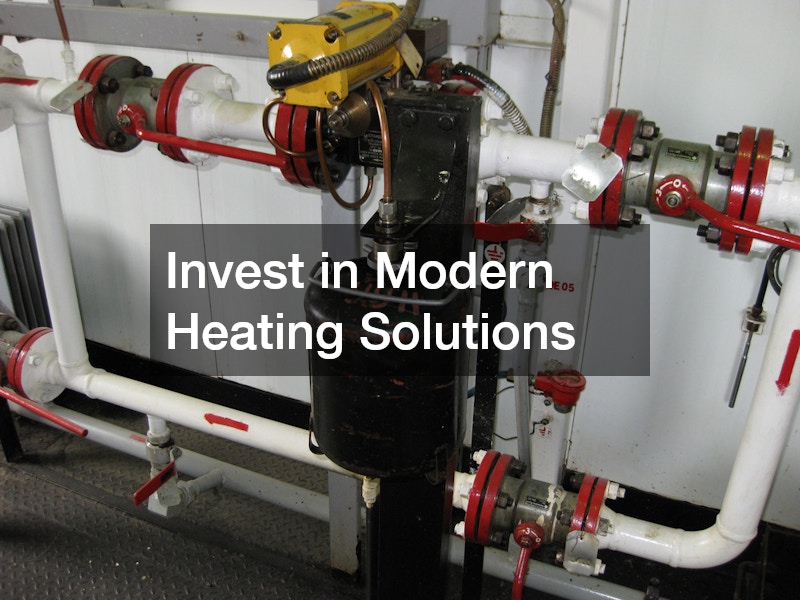
Heating systems have a major impact on winter utility costs, especially in colder climates. Upgrading outdated equipment can significantly reduce monthly expenses while improving comfort and reliability during freezing temperatures.
Modern heat pump installation projects have become increasingly popular because heat pumps provide both heating and cooling capabilities in a single system. These systems transfer heat rather than generating it directly, making them highly energy efficient in many climates.
Heat pumps are particularly effective in moderate climates where winter temperatures remain relatively manageable. They can reduce energy consumption substantially compared to older heating systems while maintaining steady indoor comfort.
However, some homes may still benefit more from a traditional furnace install depending on climate conditions and household heating demands. Modern high-efficiency furnaces use advanced technology to maximize fuel usage while minimizing waste. Variable-speed blowers and sealed combustion systems help improve overall performance and comfort.
Proper installation is critical regardless of the system type selected. Poor installation practices can reduce efficiency, create airflow problems, and shorten equipment lifespan. Homeowners should work with qualified professionals who properly size and configure the system for the home’s specific needs.
Many homeowners may also qualify for rebates, tax incentives, or energy-efficiency programs when upgrading heating systems. Researching available incentives can help offset initial installation costs while encouraging long-term energy savings.
When selecting new heating equipment, homeowners should consider climate conditions, insulation quality, home size, and long-term operating costs rather than focusing solely on upfront pricing.
Improve Windows, Doors, and Exterior Features
Windows and doors are common sources of energy loss, especially in older homes. Drafts, poor seals, and outdated materials allow outdoor temperatures to influence indoor comfort levels throughout the year.
Replacing old windows with energy-efficient models can significantly improve insulation performance. Double-pane and triple-pane windows reduce heat transfer while helping maintain consistent indoor temperatures. Low-emissivity coatings also help reflect heat and UV rays more effectively.
Weather stripping around doors and windows is another simple but valuable improvement. Small gaps often allow conditioned air to escape continuously, forcing heating and cooling systems to work harder than necessary.
Exterior doors should close tightly and provide adequate insulation against outdoor conditions. Replacing worn or poorly insulated doors helps improve both comfort and energy efficiency.
Roofing and siding materials also affect energy performance. Reflective roofing materials help reduce heat absorption during summer months, while insulated siding systems improve thermal resistance year-round.
Landscaping can further improve efficiency by reducing direct sunlight exposure and blocking strong winds. Strategically planted trees and shrubs provide natural insulation benefits that help stabilize indoor temperatures.
Window coverings also play a surprisingly important role in energy management. Thermal curtains and cellular shades help reduce heat transfer through glass surfaces, particularly during extreme temperatures.
Small exterior improvements often combine to create noticeable reductions in monthly utility costs.
Develop Smarter Everyday Energy Habits
Even the most energy-efficient home can waste power if homeowners develop inefficient habits. Small behavioral changes often produce meaningful savings when practiced consistently over time.
Managing thermostat settings carefully is one of the easiest ways to reduce energy usage. Lowering temperatures slightly during winter or raising them modestly during summer can significantly reduce heating and cooling demands without sacrificing comfort.
Changing air filters regularly also remains essential. Dirty filters restrict airflow, forcing heating and cooling systems to operate less efficiently. Homeowners should inspect filters monthly and replace them as needed.
Reducing phantom energy usage is another overlooked strategy. Electronics and appliances continue consuming electricity even when not actively in use. Smart power strips and unplugging unused devices help minimize unnecessary energy consumption.
Natural ventilation can also reduce dependence on mechanical cooling during mild weather. Opening windows during cooler mornings and evenings helps circulate fresh air while lowering cooling demands.
Using natural light whenever possible reduces electricity usage during daytime hours. Homeowners can also switch to LED lighting, which consumes significantly less energy than traditional incandescent bulbs.
Creating a long-term efficiency plan allows homeowners to prioritize improvements gradually rather than attempting every upgrade at once. Strategic planning helps balance costs while steadily improving overall energy performance over time.
Creating a More Comfortable and Cost-Effective Home

Improving energy efficiency involves much more than lowering monthly utility bills. It creates a more comfortable living environment, reduces wear on major home systems, and helps homeowners avoid expensive repairs caused by neglected maintenance or outdated equipment.
From upgrading heating and cooling systems to improving insulation and adjusting everyday habits, every improvement contributes to better long-term performance. Many small upgrades work together to create substantial energy savings over time.
Homeowners who invest in preventative maintenance and strategic efficiency improvements often enjoy more reliable indoor comfort throughout every season. Better efficiency also increases property value while helping homes adapt more effectively to changing energy demands and weather conditions.
Taking proactive steps today can lead to lasting financial savings, improved comfort, and greater peace of mind for years to come.