HVAC efficiency is no longer a secondary concern for property owners and facility managers. Rising energy costs, tighter environmental regulations, and increasing expectations for indoor comfort have turned heating and cooling performance into a critical operational issue. Whether the property is a custom home or a large commercial facility, inefficient systems quietly drain budgets and reduce asset value.
Traditional heating and cooling service models tend to focus on reactive fixes—responding after comfort complaints or equipment failures occur. While this approach keeps systems running, it rarely addresses the root causes of inefficiency. Smart HVAC solutions change this dynamic by shifting efficiency from guesswork to data-driven control.
By combining sensors, automation, and analytics, smart HVAC systems provide continuous insight into performance. They reduce energy waste, minimize unnecessary ac repairs, and support long-term building maintenance strategies. As a result, efficiency becomes measurable, manageable, and sustainable rather than aspirational.
Additionally, these systems help owners move from short-term problem solving to long-term operational planning. Efficiency improvements compound over time, delivering savings that extend well beyond monthly utility bills. For many buildings, smart HVAC becomes a foundational investment rather than a discretionary upgrade.
Explaining What Smart HVAC Solutions Actually Do
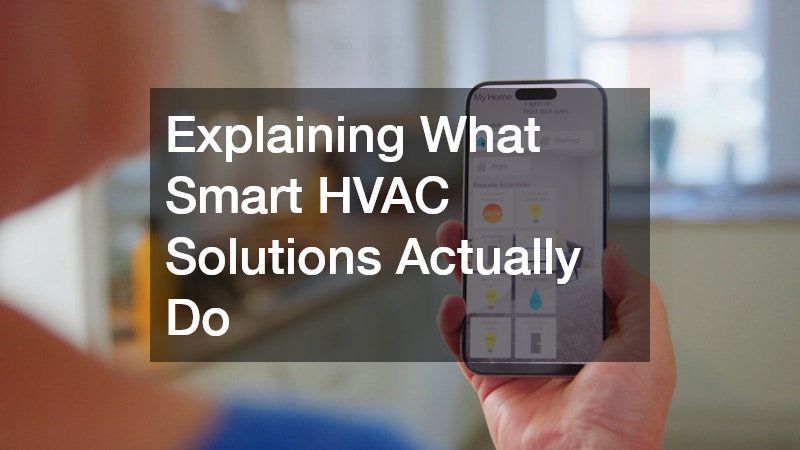
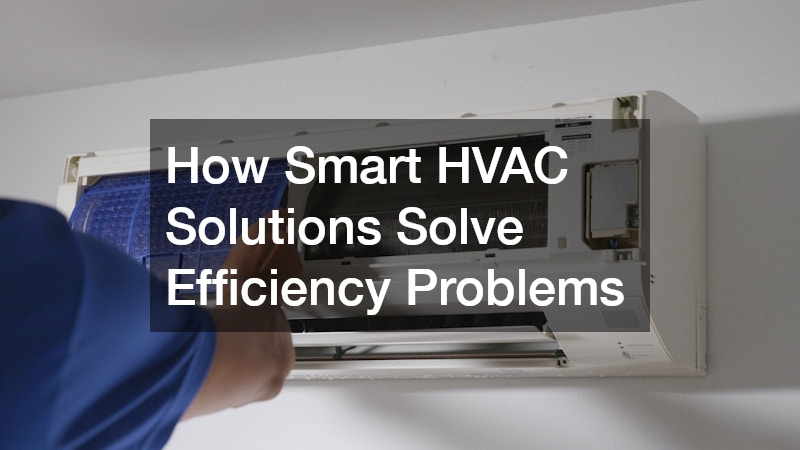
Smart HVAC solutions go beyond high-efficiency equipment. They are systems designed to actively monitor, analyze, and adjust heating and cooling operations in real time. At their core are connected components such as smart thermostats, occupancy sensors, variable-speed equipment, and centralized control platforms.
Unlike traditional systems that operate on fixed schedules, smart HVAC systems respond dynamically to how a building is actually used. They track temperature, humidity, occupancy, and equipment performance, then automatically optimize output. This allows heating and cooling service to align with demand rather than assumptions.
Proper installation and configuration are essential to realizing these benefits. Licensed plumbers and HVAC technicians play a critical role in ensuring smart systems integrate correctly with existing mechanical, electrical, and plumbing infrastructure. When installed correctly, smart HVAC systems create a foundation for long-term efficiency rather than short-term performance gains.
They also enable continuous optimization rather than one-time calibration. Software updates and system learning further improve performance over time. This adaptability is a key differentiator between smart HVAC and conventional upgrades.
Identifying Common Efficiency Problems in Traditional HVAC Systems
Many efficiency issues stem from how conventional HVAC systems are designed and maintained. Fixed schedules often cause systems to run at full capacity even when spaces are unoccupied. Manual controls invite inconsistent adjustments that lead to overheating, overcooling, and wasted energy.
Another common issue is poor coordination between HVAC and other building elements. Window blinds, insulation, and building orientation all affect heating and cooling loads, yet traditional systems rarely account for these variables. As a result, HVAC equipment compensates for conditions it could otherwise mitigate.
Hidden problems further compound inefficiency. Undetected air leaks, moisture intrusion, and duct losses reduce system effectiveness while increasing energy consumption. In some cases, inadequate leak detection allows minor issues to escalate into major performance problems. Over time, these inefficiencies force more frequent ac repairs and shorten equipment lifespan.
These issues often remain invisible until energy costs spike or comfort complaints increase. By then, efficiency losses may already be substantial. Smart HVAC solutions are designed specifically to surface and correct these hidden problems.
Improving Heating and Cooling Efficiency Through Smart Automation
Smart HVAC automation directly addresses the inefficiencies created by static system operation. Occupancy-based scheduling ensures heating and cooling only operate when spaces are actually in use. This is particularly valuable in offices, mixed-use buildings, and custom home layouts where usage patterns vary throughout the day. Advanced systems also adjust output based on external conditions. Weather-responsive controls account for outdoor temperature, humidity, and solar gain, allowing systems to fine-tune performance in real time. This reduces unnecessary runtime while maintaining consistent indoor comfort.
Automation also helps balance loads across zones, preventing one area from overworking the system. By reducing stress on components, smart automation lowers the likelihood of breakdowns and decreases reliance on reactive ac repairs. Over time, this approach stabilizes both energy use and maintenance costs. It also minimizes human error, which is a frequent source of inefficiency. Automated decision-making ensures consistent performance regardless of staffing or occupant behavior. This reliability is especially important for larger or more complex properties.
Using Real-Time Monitoring to Eliminate Energy Waste
One of the most powerful features of smart HVAC solutions is continuous performance monitoring. Sensors track system behavior at a granular level, revealing inefficiencies that would otherwise go unnoticed. This includes excessive cycling, abnormal temperature drift, and prolonged runtime during low-demand periods. Real-time alerts notify building managers when performance deviates from expected parameters. These insights allow ac repair specialists to diagnose issues quickly, often before occupants notice a problem. Instead of guessing at causes, technicians can rely on data to pinpoint faults.
This visibility supports smarter building maintenance decisions. Rather than scheduling service based on fixed intervals or waiting for failures, teams can prioritize interventions based on actual system condition. The result is reduced energy waste, fewer emergency repairs, and more predictable operating costs. Over time, this data also helps refine system settings for even greater efficiency. Patterns emerge that reveal how buildings truly operate. These insights are difficult to achieve without continuous monitoring.
Preventing Performance Loss With Predictive Maintenance
Enhancing Zone Control and Occupant Comfort
Comfort complaints often drive inefficient HVAC behavior. Occupants manually override settings to address localized discomfort, unintentionally increasing energy use and placing additional strain on equipment. These manual adjustments frequently conflict with system programming, leading to short cycling, uneven temperatures, and higher operating costs. Smart zoning resolves this issue by tailoring heating and cooling output to specific areas based on real usage rather than assumptions.
In large homes and commercial spaces, zoning ensures each area receives appropriate conditioning based on occupancy, orientation, and exposure. Smart HVAC systems can also coordinate with window blinds to reduce solar heat gain during peak sunlight hours, lowering cooling demand without sacrificing comfort. This coordination is especially effective in spaces with large windows or variable sun exposure throughout the day.
This balance between comfort and efficiency reduces the behavioral triggers that lead to waste. When spaces consistently feel comfortable, occupants are less likely to interfere with system settings. The result is stable performance and sustained energy savings. Improved comfort also supports productivity and satisfaction in commercial environments by minimizing temperature-related distractions. Over time, comfort becomes an operational asset rather than a liability that drives inefficiency.
Integrating Smart HVAC With Other Building Systems

HVAC efficiency does not exist in isolation. Smart HVAC solutions integrate with broader building management systems to create a cohesive operational strategy rather than a series of disconnected optimizations. This includes coordination with lighting, access control, window blinds, and energy management platforms to reduce overlapping energy loads and improve overall system responsiveness. When these systems communicate, buildings can automatically adjust heating and cooling based on occupancy, daylight availability, and real-time energy demand.
Integration also supports stronger collaboration across trades. Insights from HVAC performance data can alert roofers to insulation weaknesses, air infiltration points, or moisture intrusion risks that affect thermal efficiency. Similarly, coordination with licensed plumbers and leak detection specialists ensures that hidden leaks, pressure issues, or water damage do not quietly undermine HVAC performance or increase energy loss.
This holistic approach transforms building maintenance from a collection of isolated tasks into a unified efficiency strategy. Each system reinforces the others, reducing redundancies and maximizing overall performance. Over time, integrated systems simplify management and reporting by consolidating data into a single operational view. Information flows between platforms without manual intervention, creating a more resilient, scalable, and efficient building ecosystem.
Supporting Commercial Efficiency and Operational Scale
Commercial properties face unique efficiency challenges due to scale, occupancy variability, and operational complexity. Smart HVAC solutions address these challenges by centralizing control and standardizing performance across sites, creating a consistent operational baseline across diverse facilities. This is especially valuable for organizations managing multiple buildings with different usage patterns, tenant demands, and operating hours.
For facilities relying on commercial hvac repair companies, centralized monitoring simplifies oversight and communication. Facility managers can track performance metrics across multiple locations, identify outliers, and deploy resources strategically before minor issues escalate. This level of control is difficult to achieve with traditional systems that rely on manual inspections and reactive service calls.
Scalable smart HVAC platforms also reduce maintenance complexity by streamlining diagnostics and reporting. Standardized data allows service teams to troubleshoot issues faster, prioritize high-impact repairs, and reduce unnecessary site visits, lowering costs while improving reliability. Over time, these efficiencies compound, delivering measurable operational advantages. Consistency across locations also improves budgeting accuracy, as energy and maintenance costs become more predictable. This predictability supports long-term planning, capital forecasting, and data-driven investment decisions.
Measuring Efficiency Gains and Long-Term ROI
Efficiency improvements must be measurable to justify investment. Smart HVAC systems provide clear metrics for evaluating performance, including energy consumption trends, runtime reductions, and maintenance frequency. Many property owners find that reduced energy use alone delivers meaningful savings. However, the reduction in ac repairs and emergency service calls often represents an equally significant financial benefit. Predictable maintenance costs improve budgeting accuracy and reduce operational risk.
Long-term ROI also includes non-financial benefits. Improved comfort, regulatory compliance, and sustainability performance enhance property value and tenant satisfaction. When viewed holistically, smart HVAC solutions offer returns that extend beyond utility bills. Data-backed performance metrics also support reporting and compliance requirements. This is increasingly important for organizations with ESG or sustainability goals. Smart HVAC makes efficiency transparent and defensible.
Knowing When Smart HVAC Is the Right Upgrade
Not every building requires the same level of system intelligence, but several indicators suggest when smart HVAC is the appropriate solution. Frequent ac repairs, rising energy costs, and inconsistent comfort are common warning signs. Older buildings may benefit from smart HVAC retrofits that extend equipment life without full system replacement. New construction projects, including custom home designs, can integrate smart HVAC from the outset for maximum efficiency. Planning for scalability is also important. Buildings that anticipate expansion, occupancy changes, or stricter efficiency standards are well-positioned to benefit from adaptable smart systems. Early investment reduces future disruption and cost. Evaluating system data readiness is another key step. Buildings with limited monitoring may see the greatest gains. Smart HVAC fills these visibility gaps quickly.
Smart HVAC solutions fundamentally change how efficiency problems are addressed. By replacing reactive heating and cooling service models with intelligent, data-driven control, these systems deliver sustained performance improvements. From reducing energy waste and minimizing ac repairs to supporting predictive maintenance and integrated building maintenance strategies, smart HVAC systems provide tangible operational value. They align comfort, cost control, and sustainability goals in a single platform. As efficiency expectations continue to rise, smart HVAC is increasingly becoming a baseline requirement rather than a premium upgrade. For property owners and facility managers, investing in smart HVAC is not just about solving today’s problems—it is about future-proofing building performance. Organizations that adopt smart HVAC early gain a strategic advantage. They operate more efficiently, respond faster to issues, and maintain higher performance standards. In an increasingly competitive landscape, efficiency becomes a differentiator rather than a constraint.