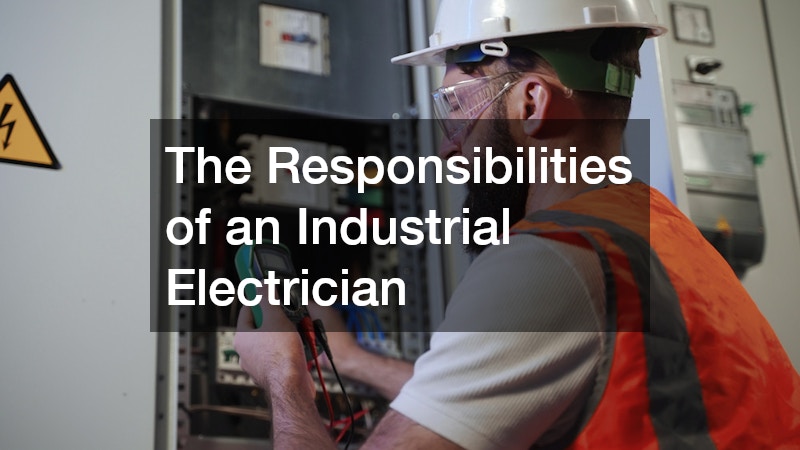
Industrial electricians play a crucial role in maintaining the safety, efficiency, and reliability of electrical systems in industrial environments. In Illinois (IL), their work supports manufacturing plants, processing facilities, and other industrial operations that depend on uninterrupted and compliant electrical infrastructure. This overview highlights the core responsibilities of industrial electricians and addresses common questions about their duties, skills, and importance within industrial electrical services in IL.
Common Duties of an Industrial Electrician
Installation of Electrical Systems
Installing electrical systems is one of the most fundamental responsibilities of an industrial electrician. This task requires precision, technical expertise, and the ability to interpret complex blueprints and schematics.
Proper installation ensures that cables, panels, control systems, and machinery connections function reliably within demanding industrial environments.
Industrial electricians often collaborate with engineers and project managers to integrate electrical systems into existing or newly constructed infrastructure. These installations are tailored to meet industry-specific needs, making adaptability essential. High-quality work directly supports uninterrupted production and long-term operational success, reinforcing the value of professional services in IL.
Maintenance and Troubleshooting
Routine maintenance is critical for preventing costly failures. Industrial electricians conduct inspections, test equipment, and identify early warning signs. Proactive maintenance helps facilities avoid unplanned shutdowns and extends equipment lifespan.
When problems do arise, troubleshooting skills are essential. Electricians use systematic diagnostic approaches to locate faults and perform precise repairs. Their ability to quickly restore functionality minimizes downtime and ensures continuity of operations. Effective maintenance and troubleshooting are cornerstones of dependable industrial electrical services in IL, particularly in high-demand manufacturing settings.
Compliance with Safety Standards
Safety compliance is non-negotiable in industrial electrical work. Industrial electricians are trained to meet strict national and state safety regulations, protecting workers, facilities, and equipment from electrical hazards. Understanding and applying these standards reduces the risk of accidents, injuries, and property damage.
In Illinois, maintaining compliance also builds trust with clients and regulatory bodies. Proactive safety practices reflect the professionalism of industrial electricians and enhance the reputation of industrial electrical services in IL. A strong safety culture supports both legal compliance and operational stability.
How Industrial Electricians Support Manufacturing Facilities
Ensuring Equipment Efficiency
Industrial electricians are essential to maximizing equipment efficiency. Through diagnostics, calibration, and adjustments, they ensure machinery receives optimal electrical input. Well-tuned systems operate more efficiently, reduce energy waste, and lower operating costs.
Regular inspections and fine-tuning contribute to consistent performance and improved productivity. By ensuring electrical systems function as intended, electricians help manufacturers maintain competitive efficiency and profitability. This focus on optimization is a defining feature of high-quality industrial electrical services in IL.
Minimizing Downtime
Production downtime can be costly, making rapid response a critical skill. Industrial electricians are trained to identify and resolve electrical issues before they escalate into major failures. Their proactive approach helps facilities avoid extended interruptions and maintain steady output.
Quick diagnosis and repair capabilities directly impact a company’s ability to meet production targets. Minimizing downtime translates into improved productivity, reduced losses, and stronger operational resilience. Industrial electricians are, therefore, indispensable partners for manufacturers operating in fast-paced environments.
Integrating New Technologies
As industrial technologies evolve, electricians play a key role in modernization efforts. Industrial electricians in IL must stay current with advancements such as automation, energy-efficient systems, and smart controls. Integrating new technologies into existing electrical systems enhances productivity and supports long-term competitiveness.
By embracing innovation, electricians help manufacturers adapt to changing industry demands. Their technical foresight ensures seamless implementation of advanced systems, allowing industrial electrical services in IL to evolve alongside modern manufacturing practices.
Qualifications and Skills Required
Becoming an industrial electrician requires a solid educational foundation, typically through technical training programs that combine classroom learning with hands-on experience. Certification is often required and validates an electrician’s knowledge, skill level, and adherence to industry standards. Ongoing education ensures electricians remain compliant and technically proficient.
Technical expertise is extensive, covering wiring systems, electronics, industrial machinery, and diagnostic tools. Equally important are problem-solving and critical-thinking skills. Industrial electricians must analyze complex situations, develop effective solutions, and anticipate potential issues before they occur. These abilities ensure reliable, innovative service delivery.
Industrial electricians are essential contributors to the industrial sector in Illinois. Their diverse responsibilities—ranging from installation and maintenance to safety compliance and technological integration—demonstrate their critical role in supporting manufacturing operations. Through specialized education, technical expertise, and problem-solving skills, they ensure electrical systems remain safe, efficient, and future-ready.
As homeowners, we constantly seek ways to enhance our living environments, making them both comfortable and functional. A variety of home care options are available to streamline this process, providing assistance at every turn. Whether it’s updating the look of your home or keeping your indoor spaces cool during the sweltering summer months, every detail…
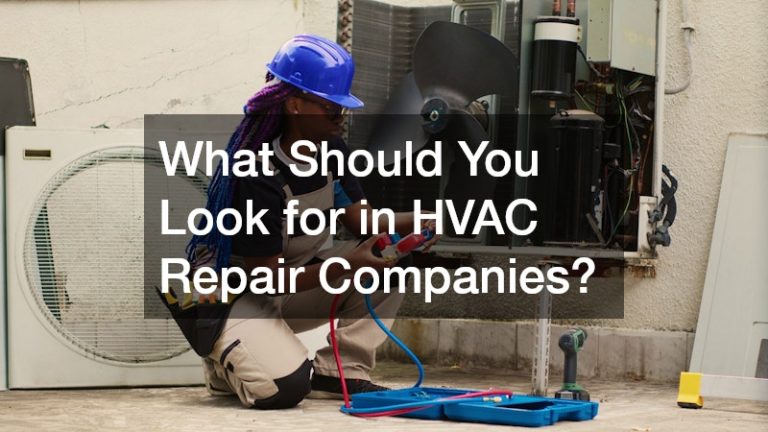
Finding the right HVAC repair company is crucial for ensuring the comfort and safety of your home or business. With numerous options available, it’s important to know what to look for to identify a reputable service provider. This article aims to guide you through the essential factors to consider when choosing any HVAC repair companies….
Regular maintenance of your HVAC system is crucial to ensure its efficient performance and longevity. Without periodic checks, the system can accumulate dirt and debris, which can drastically reduce its efficiency and lead to higher energy bills. An HVAC service can provide expert guidance on maintaining your system to prevent common issues. Understanding the Impact…
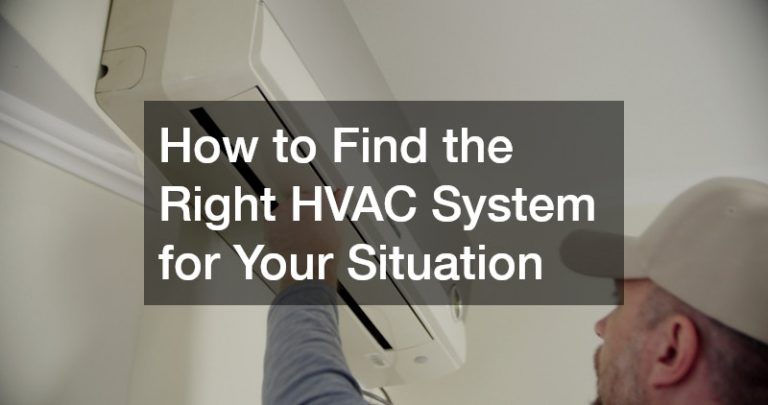
Before you begin shopping for an HVAC system, it’s crucial to understand your specific needs. Different homes and buildings require varying levels of heating and cooling power based on factors like size, climate, and the number of occupants. An essential first step is conducting a load calculation, which will help determine the appropriate capacity of…
Selecting the right HVAC contractor ensures comfort and energy efficiency. With many options, choosing the best can be tough. This guide covers important evaluation factors. Video Source Making an informed decision will save you time and money in the long run. What Qualifications Should an HVAC Contractor Have? Education and Certification Formal HVAC education enables…
10 Benefits of Renovating Your Home Renovating your home is about more than just investing in property; it’s about embracing a broader vision of personal comfort, safety, and style. Whether you’re looking to enhance your home’s aesthetic appeal, fortify its structural integrity, or increase its market value, home renovation offers a myriad of benefits. Through…