Before you begin shopping for an HVAC system, it’s crucial to understand your specific needs. Different homes and buildings require varying levels of heating and cooling power based on factors like size, climate, and the number of occupants. An essential first step is conducting a load calculation, which will help determine the appropriate capacity of the HVAC system.
This calculation considers square footage, insulation levels, and local weather patterns. To ensure accuracy, it can be beneficial to enlist the help of a professional HVAC technician.
Once you’ve gathered the necessary information about your property’s requirements, it’s easier to narrow down your HVAC system options. For example, a larger home in a colder climate will need a more robust system compared to a smaller home in a temperate area. Additionally, if energy efficiency is a priority, you might want to focus on systems with a higher SEER (Seasonal Energy Efficiency Ratio) rating. It’s important to remember that an incorrectly sized system can lead to inadequate comfort, increased wear and tear, and higher energy bills. Therefore, taking the time to assess your needs correctly is crucial for the best outcomes.
Beyond size and efficiency, consider any specific needs your household may have. If anyone in the home has allergies, you might opt for a system with advanced filtration capabilities. Similarly, if you’re concerned about your environmental impact, look for systems with eco-friendly refrigerants. Reflect on your budget as well, as some systems may have higher upfront costs but offer significant savings over time through reduced energy consumption. By thoroughly evaluating these factors, you’ll be well-equipped to choose an HVAC system that aligns with your unique circumstances.
Exploring Different Types of HVAC Systems
There are several different types of HVAC systems available, each with its own set of advantages and disadvantages. Central air systems are among the most common, providing consistent heating and cooling through a network of ducts. They’re generally efficient and can cover large spaces, but installation can be more invasive and costly. On the other hand, ductless mini-split systems are a great option for those without existing ductwork. These systems offer flexibility and are easier to install, but may be less efficient for larger homes.
Another option is the heat pump system, which can both heat and cool your home efficiently. Heat pumps are especially effective in moderate climates and can provide significant energy savings. However, they might require a supplemental heating method in areas with extremely low temperatures. Geothermal systems are another energy-efficient choice, using the earth’s natural temperature to regulate indoor climates. Although these systems can be more expensive to install initially, they offer long-term savings and a reduced carbon footprint.
In contrast, traditional furnaces and boilers still provide reliable heating solutions, particularly in colder climates. Furnaces can run on natural gas, propane, oil, or electricity, while boilers circulate hot water or steam through radiators. They’re effective but may lack the cooling capabilities of other systems, requiring a separate air conditioning unit. When selecting between these systems, consider factors such as climate, existing infrastructure, and your energy goals. By understanding the strengths and limitations of each type, you can make a more informed decision.
Evaluating Efficiency and Environmental Impact
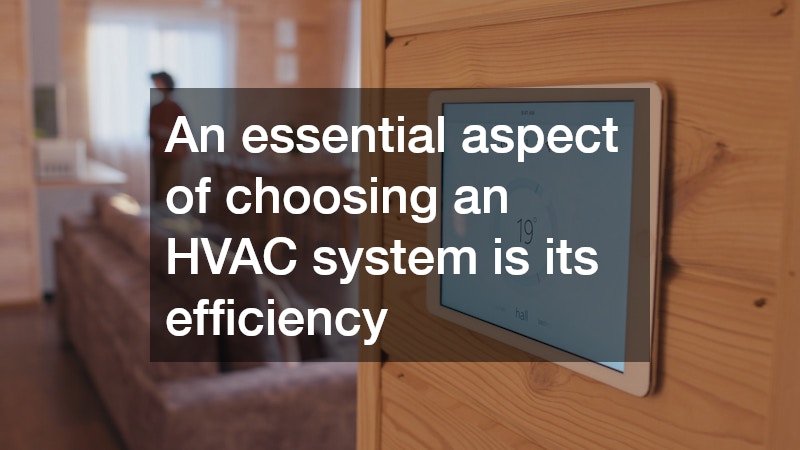
An essential aspect of choosing an HVAC system is its efficiency, which directly impacts your energy consumption and utility bills. High-efficiency systems often come with a higher initial price tag but can result in significant cost savings over time. These systems may also qualify for rebates or tax credits, further reducing the financial burden. To gauge a system’s efficiency, look for the Energy Star label and compare SEER ratings. Systems with higher SEER ratings will typically offer better performance and energy savings.
Another critical consideration is the environmental impact of your HVAC system. Many modern systems use eco-friendly refrigerants that don’t deplete the ozone layer, making them a more sustainable choice. Geothermal systems, in particular, offer a clean energy solution by leveraging the earth’s natural heat. Heat pumps are also known for their lower carbon footprint compared to traditional heating methods. By selecting a system with a reduced environmental impact, you contribute to a healthier planet while potentially lowering your energy costs.
To ensure you’re making an environmentally conscious decision, consider the manufacturer and their commitment to sustainability. Brands that emphasize green technology and innovative designs can offer systems that meet your performance needs and align with your environmental values. In addition to the system itself, consider the insulation and air sealing in your home, as these can significantly affect efficiency. By focusing on both the HVAC system and the overall efficiency of your home, you’ll maximize your investment and reduce negative environmental impacts.
Consulting with Professionals
No two homes are alike, so consulting with HVAC professionals can provide valuable guidance tailored to your specific situation. They can offer insights into the latest technology, best practices, and any incentives available in your area. Hiring a licensed professional ensures that the system is installed correctly, improving performance and safety. Moreover, they can help you navigate the complexities of load calculations and system sizing, reducing the risk of mistakes.
During your consultation, discuss any concerns you may have about air quality, noise levels, or maintenance requirements. Professionals can provide recommendations based on their expertise and experience working with various systems. They can also advise on the best ways to maintain and optimize your system over time, increasing its lifespan and efficiency. Regular maintenance, such as changing filters and performing annual tune-ups, is critical to the long-term success of your HVAC system.
In addition to offering expert advice, HVAC professionals can connect you with reputable brands and high-quality products. They’ll consider your budget and efficiency goals and work with you to find a system that meets your needs and preferences. Whether you require routine maintenance or a complete system overhaul, developing a relationship with a trusted HVAC provider ensures ongoing support. Their expertise is invaluable in helping you navigate the complexities of choosing the right HVAC system for your situation.